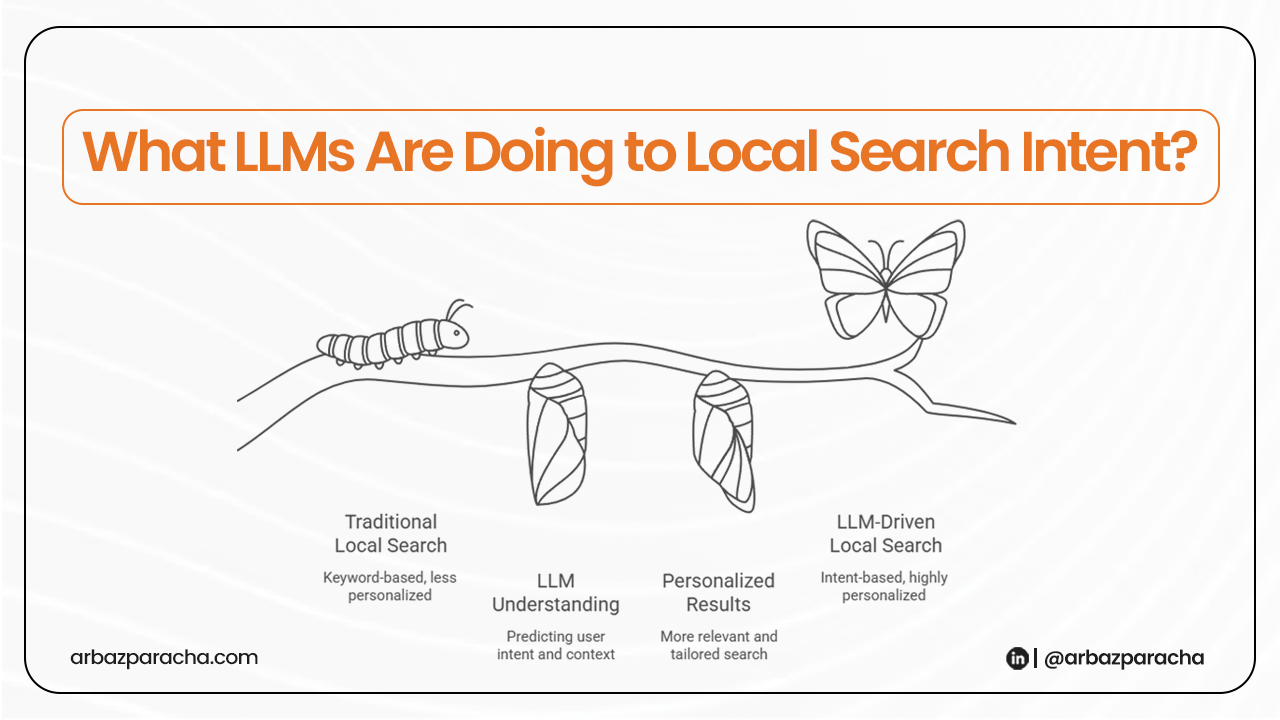
There was a time when local search intent was simple. Someone needed an electrician. They typed “electrician near me” into Google, got the results, and done
That behaviour is changing in ways most local service businesses are not prepared for.
Starting point
Local search intent has a new starting point now. People are no longer searching on Google
According to a recent report of Local consumer review survey conducted with 1,002 US consumers:
Not a gradual shift, that’s a category level change in one year… and Google itself is feeling it.
Google’s share as the top platform for finding local business reviews dropped from 83% to 71% in a single year, while ChatGPT moved into third place.
What this means practically:
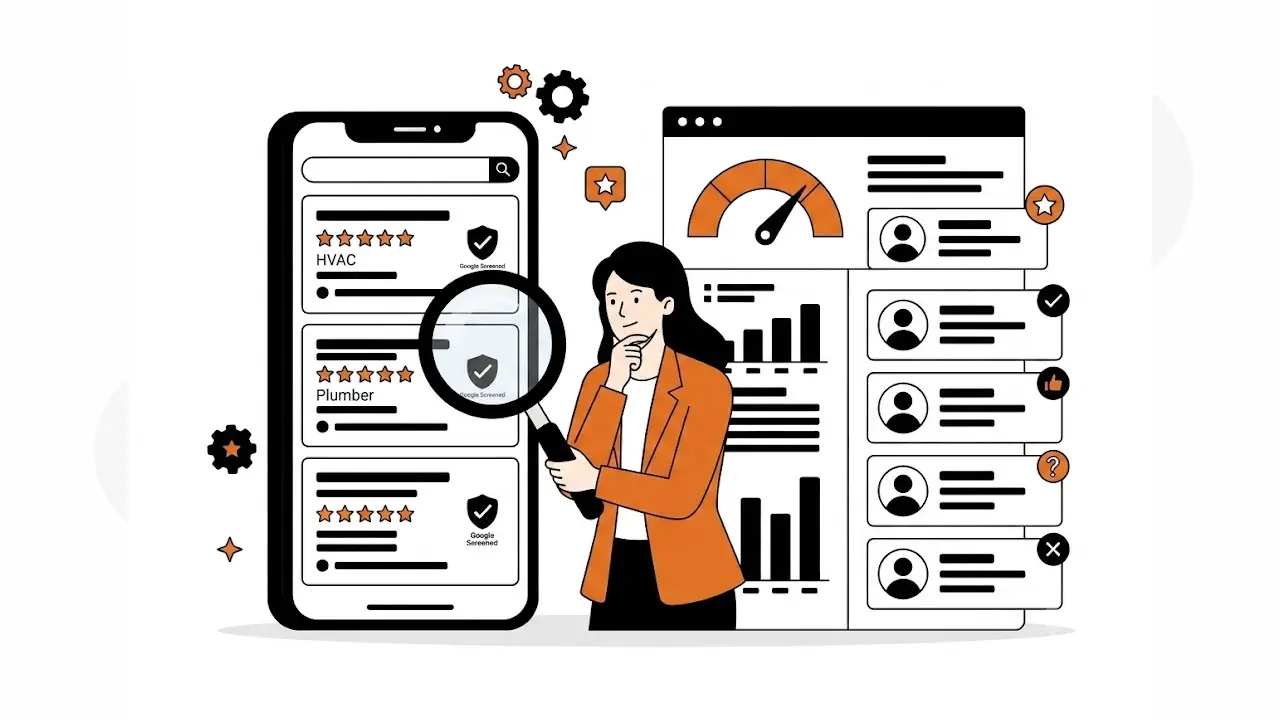
A meaningful portion of your potential customers are now typing things like “Who is the best HVAC company in Dallas?” or “Find me a reliable property management company in Austin” into an AI tool (not a search engine.)
The intent is the same but platform changed
Invisible on AI
Most businesses stay invisible on AI even if they rank on Google
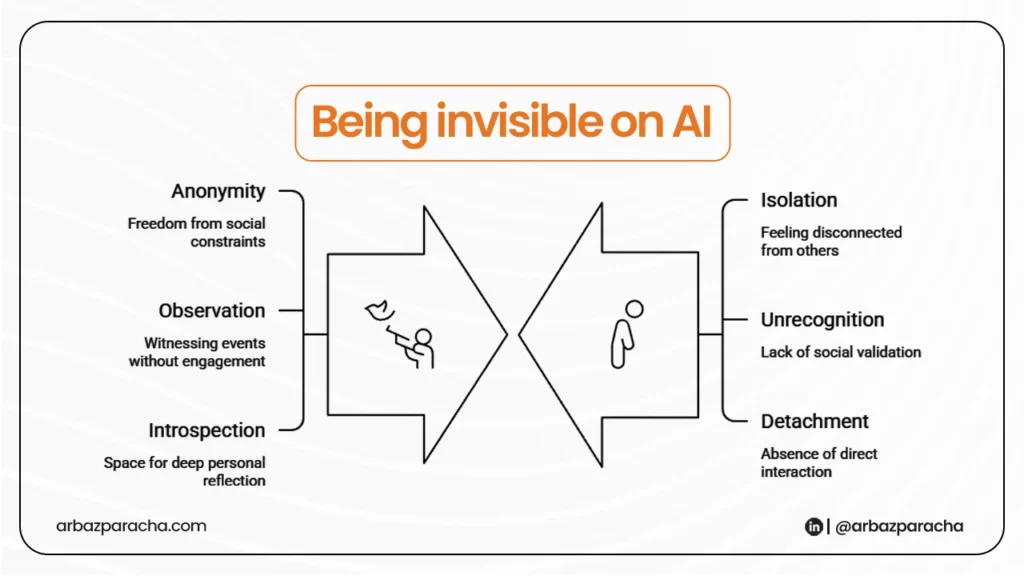
Here is where it gets uncomfortable…
→ SOCi’s 2026 Local Visibility Index found that ”Less than half of businesses that rank well in Google’s local pack also appear in AI generated local recommendations”
Read that again. Ranking on Google does not guarantee you show up when someone asks ChatGPT the same question.
→ Whitespark 2026 Local Search Ranking Factors report compiled from 47 local SEO experts across 187 factors introduced AI search visibility as a formal ranking category for the first time.
The findings confirmed what many suspected:
For traditional local pack results, GBP signals carry about 32% of ranking weight. But for AI search visibility, on page content rises to 24% as the top factor, while GBP drops to just 12%. Citations (13%) and links (13%) each outweigh GBP entirely.
The formula flips.
What this means for your business? if your whole local SEO strategy has been built around GBP optimization alone, you are well positioned for Google Maps and largely invisible inside AI results.
There is another number that puts the stakes in perspective.
So yes, the bar is higher, but that also means most of your competitors have not cleared it yet.
Why Is This Happening?
LLMs like ChatGPT and Perplexity do not crawl and rank pages the way Google does. They synthesize answers from sources they have learned to trust.
That is a different kind of intent resolution. The AI is not just directing traffic. It is making a judgment call.
What signals does it use to make that call?
- Mentions on expert curated “best of” lists
- Unstructured mentions in news articles or blogs
- Overall volume of consistent mentions across the web, including second and third tier directories
The AI is not picking the business with the best website. It is picking the business with the most credible public footprint.
What Local Service Businesses Should Do?
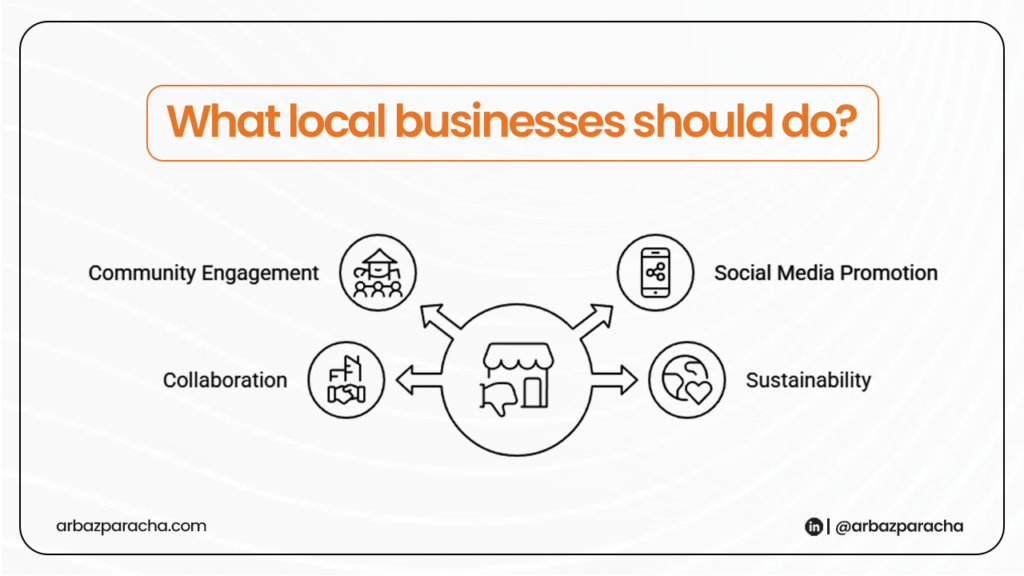
Traditional local SEO still matters. The change is about what you need to add, not replace.
Here is where to focus:
1. Get mentioned, not just ranked
LLMs prioritise mentions over links.
Start actively pursuing unstructured citations like press mentions, guest features, community references. Tools like Semrush’s Brand Monitoring or Ahrefs Alerts help you track where your business is and is not being mentioned.
2. Build your review volume and quality
The average AI recommended business on ChatGPT has a 4.3 star rating.
Reviews are now both a trust signal for humans and a ranking signal for AI. They are doing double duty.
Set up a review generation system. Respond to every review within 48 hours. SOCi’s data shows businesses that refresh their GBP engagement on a consistent 7 day cycle maintain stronger AI confidence scores.
3. Create dedicated service pages
A single page listing all your services does not communicate intent clearly enough for AI to cite you confidently. Dedicated pages, one for each service, each with structured content, clear schema markup, and location-specific language, give LLMs something concrete to reference.
4. Keep your NAP data consistent and fresh
Run a citation audit and Fix inconsistencies. Then keep the data current.
5. Think about freshness as a signal
Posting regular updates to your GBP, refreshing your service pages seasonally, and maintaining an active blog are not vanity activities. They are freshness signals that affect how confident an AI model is in recommending your business.
The Bigger Picture
Local search intent has not disappeared, People still need services. They still search with high purchase intent.
But the channel through which that intent gets resolved is diversifying and AI is now a serious part of that mix.
The businesses that will hold their ground are the ones that build credibility across the web.
The work is the same. The stakes are higher.
Arbaz Paracha helps local service businesses build digital marketing systems that connect SEO, web design, and conversion across both traditional and AI search.
If your marketing is active but not producing consistent enquiries, .. let’s have a chat