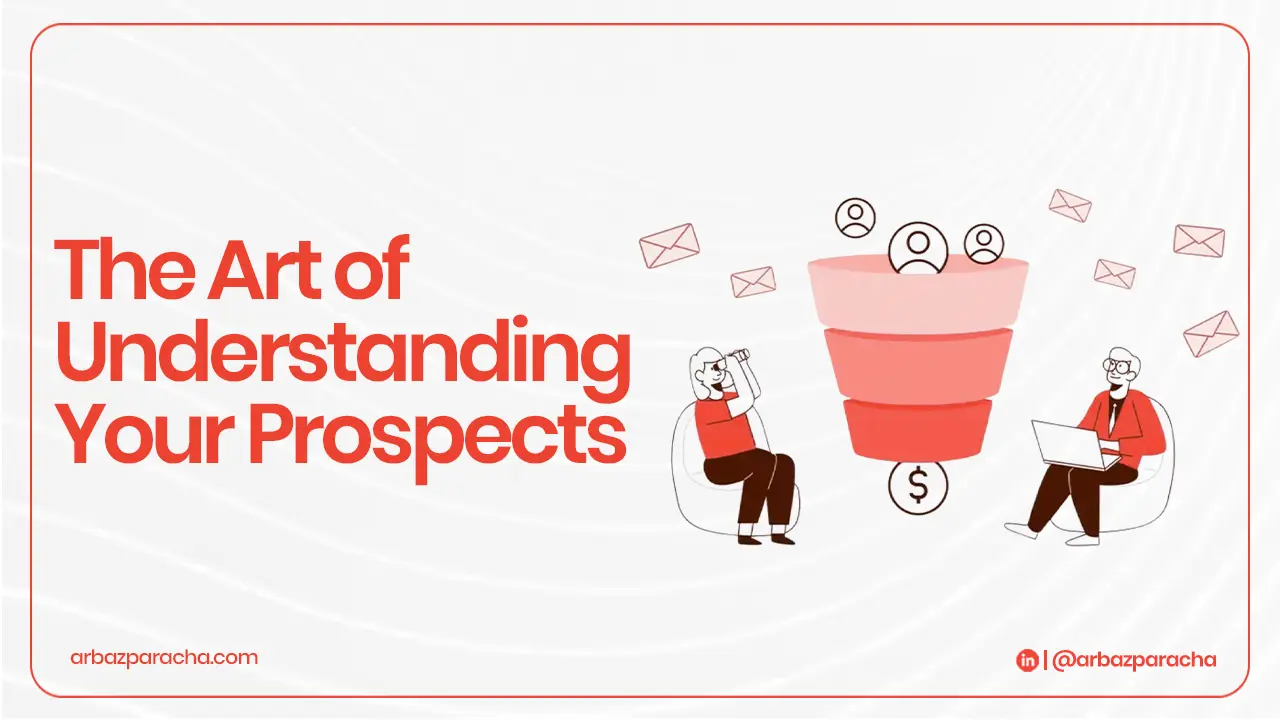
Prospecting is the backbone of every successful sales and marketing strategy. Reaching out without understanding your prospects is like fishing without knowing where the fish are. To truly connect, you need to know who your prospects are, what they struggle with, and how your solution fits into their world.
This guide breaks down everything you need to master prospecting
Let’s get into it …
1. What is Prospecting?
Prospecting is the process of identifying potential customers and building relationships that can turn into opportunities.
It’s not just cold emails or LinkedIn messages. It’s about research, personalization, and value.
When done right, it can build trust before the sales conversation even begins
So, what are the common mistakes we usually see with prospecting?
- Treating all prospects the same
- Focusing on selling rather than solving problems
- Ignoring who is actually qualified to buy
Think of prospecting as starting a conversation, not closing a deal immediately. Your goal is to understand and be understood.
2. Your ICPs (Ideal Customer Profiles)
Knowing your ICP is like having a map before starting a journey. Without it, you’ll waste time on prospects who aren’t a fit.
So, when identifying your ICP… looks for these things
First, Role & Decision-Making Power
Are you talking to the decision-maker or someone gathering info?
Second, Industry & Company Size
Some solutions work better for small startups, others for mid-sized companies.
Third, Pain Points
What daily struggles do they face?
Example: Manual SEO auditing takes hours every week.
Fourth, Budget & Readiness
Can they afford your solution, and are they actively looking to solve this problem?
Advanced tip: Segment ICPs into tiers (high, medium, low value). Focus your energy on high-value prospects first.
Example:
A SaaS startup founder struggling with manual lead tracking → Your custom dashboard can automate processes → High-value lead.
3. Prospecting Channels
Not every channel works for every audience. Choosing the right channel improves your chances of connecting.
Key channels include…
- Email: Direct, measurable, and scalable. Great for personalized campaigns.
- LinkedIn: Ideal for B2B connections, thought leadership, and message based outreach.
- Phone Calls: Best for high-touch accounts or urgent leads.
- Social Media & Communities: Engage where your audience talks about their problems.
Example: Slack communities, Reddit, niche forums. - Events & Webinars: Build relationships and credibility by helping rather than selling.
Use a multi-channel approach. A cold email backed by a LinkedIn connection request usually works better than either channel alone.
4. Strategies for Effective Prospecting
Prospecting isn’t random outreach, it’s a systematic, research-driven process.
Research First
Understand the company, team, and current challenges. Look for public posts, blogs, product launches, or news. Goal is to get as much information about them as you can
Personalize Your Outreach
Reference their pain points, achievements, or content they shared. Small touches show you’ve done your homework.
Lead With Value
Provide insights, tips, or free resources before pitching your product.
Example: “I noticed your team is tracking leads manually, here’s a method that reduces effort by 60%.”
Multi-Touch Campaigns
Combine emails, LinkedIn messages, and follow-ups. The first touch builds awareness, subsequent touches build trust
Segment & Prioritize
High-value prospects deserve more attention, longer research, tailored messages, and strategic timing.
Nurture the Relationship
Even if they don’t buy immediately, provide value over time. Many deals happen months after initial contact.
5. Do’s and Don’t
Do’s:
- Keep messages concise and easy to read
- Personalize each interaction
- Focus on solving problems, not selling
- Be consistent with follow-ups
- Track and optimize based on results
Don’t:
- Spam prospects with generic messages
- Over complicate your pitch
- Ignore their context or challenges
- Follow up aggressively without adding value
- Neglect your outreach metrics
Always include a clear, low-friction CTA, like a short call, free audit, or roadmap review… instead of pushing a full demo or sale.
6. Metrics to Measure
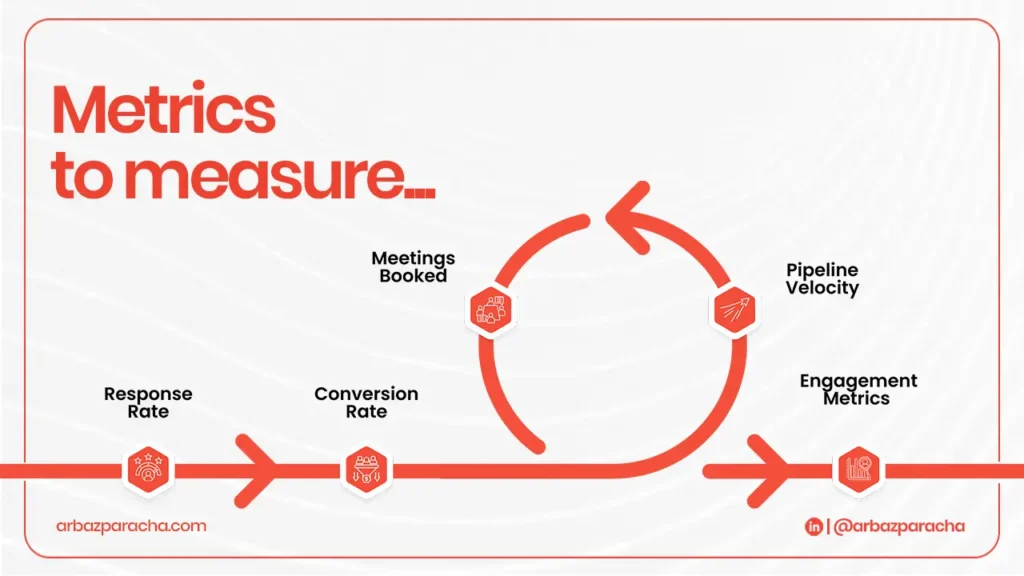
To know if your prospecting is working, measure the right metrics.
Important metrics to look for are …
1. Response Rate: % of prospects who reply to your outreach
2. Conversion Rate: % who move from initial contact to qualified lead
3. Meetings Booked: Calls, demos, or consultations scheduled
4. Pipeline Velocity: How quickly prospects move through the sales funnel
5. Engagement Metrics: Open rates, click-throughs, and replies (for email/LinkedIn)
Track channel-specific metrics. A high LinkedIn response but low email reply could indicate your messaging or timing needs adjustment.
Conclusion
Understanding your prospects is not a one-time task, it’s an ongoing process of research, personalization, and providing value.
By defining clear ICPs, right channels, research driven strategies… along with avoiding common mistakes and measuring right metrics, you turn cold leads into warm, engaged opportunities, building relationships that eventually lead to conversions.
Remember… Prospecting isn’t about selling first. It’s about connecting, understanding, and helping, that’s the art of understanding your prospects.